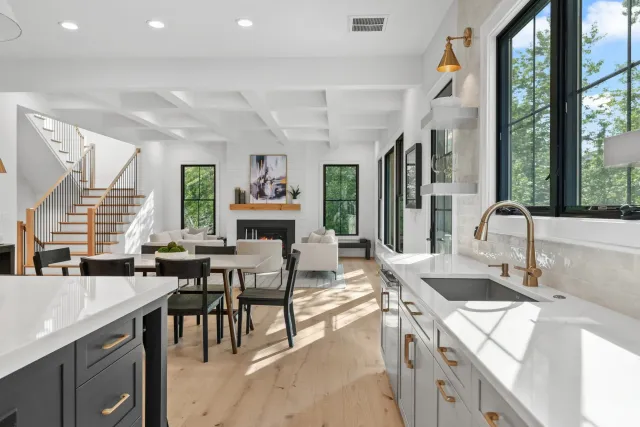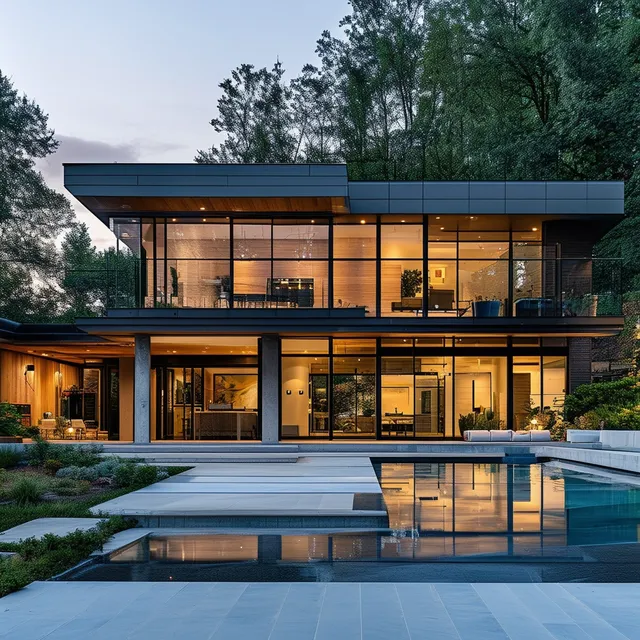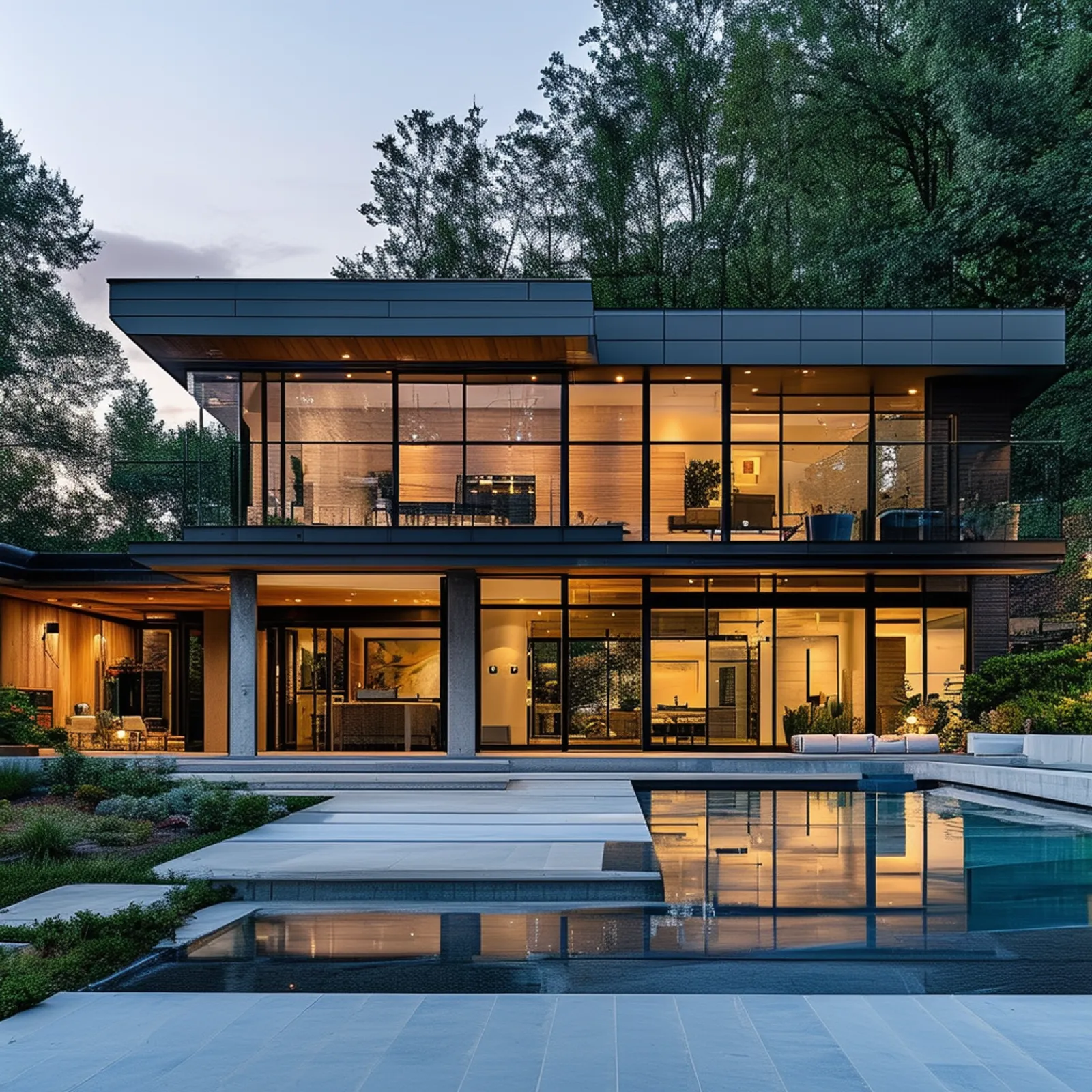
You’ve booked the photographer. The shoot is tomorrow. Now comes the part that actually determines whether your listing photos look stunning or just okay: preparation.
The difference between a good listing photo and a great one rarely comes down to the camera. It comes down to what’s in front of it. A perfectly lit room still looks cluttered if there’s a paper towel roll on the counter and family photos covering every surface. A gorgeous kitchen falls flat when the trash can is visible and the fridge is covered in magnets.
This guide is the preparation checklist that top-producing agents in the DC, Maryland, and Virginia market send to their sellers before every shoot. Follow it, and your professional photos will do their job: stop the scroll and get buyers through the door.
The Golden Rule: Clean, Bright, and Depersonalized
Every preparation step comes back to three principles:
- Clean — buyers associate cleanliness with a well-maintained home
- Bright — light sells. Dark photos get scrolled past
- Depersonalized — buyers need to see themselves in the home, not the current owner’s life
If you’re unsure whether something should stay or go, ask: “Would this be in a model home?” If the answer is no, put it away.
24-48 Hours Before the Shoot
Deep Clean the Entire Home
This goes beyond normal tidying. The camera catches everything — including things you’d normally overlook:
- Floors: vacuum all carpets, mop hard floors, pay attention to baseboards and corners
- Windows: clean interior glass so natural light comes through without streaks or smudges
- Countertops: wipe down kitchen and bathroom counters until they’re spotless
- Mirrors and glass: clean bathroom mirrors, glass shower doors, and any glass surfaces
- Stainless steel: wipe down appliances to remove fingerprints and smudges
- Ceiling fans: dust the blades — they show up clearly in photos
- Light switches and outlets: wipe down. Dirty switch plates are surprisingly visible in photos
Declutter Every Surface
The most common mistake sellers make is underestimating how much to remove. When in doubt, take it out.
Kitchen:
- Clear ALL countertops — remove toasters, knife blocks, paper towel holders, coffee makers, cutting boards
- Leave out at most one or two styled items (a plant, a bowl of fruit)
- Remove everything from the refrigerator door (magnets, photos, notes)
- Clear the top of the fridge
- Remove the dish rack and drying mat
- Put away dish soap, sponges, and scrub brushes
- Empty and hide the trash can
Bathrooms:
- Remove ALL personal items — toiletries, medications, razors, toothbrushes
- Take down shower curtain liners (leave decorative curtains if they look good)
- Remove bathmats and scale
- Put out fresh, matching white towels (neatly folded or rolled)
- Close the toilet lid
- Hide the plunger, toilet brush, and trash can
Bedrooms:
- Make beds with clean, wrinkle-free bedding — white or neutral tones photograph best
- Remove everything from nightstands except one styled item (lamp, small plant, book)
- Clear the dresser tops
- Remove clothes from visible hooks, door handles, or exercise equipment
- Close closet doors (unless the closet is a selling feature and it’s organized)
Living areas:
- Remove excess throw pillows (2-3 per sofa is the sweet spot)
- Clear coffee tables and end tables — leave one or two styled items
- Remove personal photos from walls and surfaces
- Hide remotes, chargers, cords, and gaming controllers
- Remove any floor clutter (shoes, bags, toys)
- Straighten bookshelves — remove clutter, leave only attractive items
Home office:
- Clear the desk completely or leave only a monitor and one styled item
- Hide cables and cords
- Remove whiteboards with writing on them
Handle Personal Items
This is the step sellers resist most — but it matters enormously for buyer engagement:
- Family photos: remove from walls, shelves, and surfaces. Replace with simple art or leave blank
- Religious items: remove or neutralize
- Collections: pack away. Buyers see clutter, not your hobbies
- Kids’ art on the fridge: remove everything
- Pet items: hide bowls, beds, toys, litter boxes, crates. Remove pet gates if possible
- Trophies and awards: pack away
The goal isn’t to erase the seller’s personality — it’s to create space for the buyer’s imagination.
Morning of the Shoot
Lighting
Lighting is the single biggest factor in photo quality after cleanliness:
- Turn on every light in the house — ceiling lights, lamps, under-cabinet lights, closet lights, vanity lights, accent lights. All of them
- Replace any burned-out bulbs and try to match color temperatures (all warm or all cool, not mixed)
- Open all blinds and curtains to let natural light flood in
- Leave interior doors open so light flows between rooms and creates a sense of spaciousness
- Turn on porch lights and exterior fixtures if it’s overcast or the shoot includes twilight photos
Exterior and Curb Appeal
The exterior is the first photo buyers see — and the most important for click-through rates:
- Mow the lawn and edge sidewalks (do this 1-2 days before so it looks fresh, not just cut)
- Remove garden hoses, tools, and yard equipment
- Hide trash and recycling bins — move them inside the garage or behind the house
- Clear the porch/patio: remove doormats with text, seasonal decorations (unless tasteful), and any clutter
- Move all cars off the driveway and away from the front of the house. The driveway should be completely empty
- Clean the front door and polish or replace hardware if it’s tarnished
- Add a simple touch: a potted plant by the front door or a clean new doormat can make a big difference
- Remove the For Sale sign temporarily if it’s in the way of the best exterior angle (the photographer may ask for this)
Pets and People
- Pets should be out of the house during the shoot — arrange a walk, daycare, or keep them crated in a room that’s already been photographed
- Remove pet beds, bowls, litter boxes, and toys from all visible areas
- People should leave — especially children. The photographer needs to work room by room without interruptions or people walking through shots
Final Walk-Through Checklist
Do a quick walk-through 30 minutes before the photographer arrives:
- All lights on
- All blinds and curtains open
- All interior doors open
- All toilet lids down
- All beds made with clean bedding
- All counters cleared
- All personal items hidden
- Fresh towels in bathrooms
- Trash cans hidden
- Cars moved from driveway
- Pets removed
- TV screens off (they create glare and distortion)
- Ceiling fans off (they blur in photos)
- AC/heat set comfortably (the photographer will be moving through the home for 1-2 hours)
What the Photographer Handles
A professional real estate photographer brings expertise you don’t need to worry about:
- Camera angles: they know which angles make rooms look their best and most spacious
- Exposure and lighting balance: HDR techniques handle tricky lighting situations (bright windows, dark corners)
- Post-production editing: color correction, sky replacement, lens distortion correction, and vertical line straightening
- Photo count and selection: they’ll shoot more than the final count and select the strongest images
- MLS formatting: delivered files will be properly sized and formatted for MLS upload
Your job is to prepare the space. Their job is to capture it.
Common Mistakes That Ruin Listing Photos
Even well-prepared homes can fall short. Watch for these:
- Leaving the toilet seat up — appears in more listing photos than you’d think
- Visible cords and cables — they create visual clutter that’s hard to edit out
- Leaving the TV on — creates a glowing rectangle that dominates the room
- Forgetting the garage — buyers care about garage space. Clear the floor and organize what’s visible
- Ignoring the view — if windows look out on a nice yard or skyline, make sure those windows are clean
- Over-styling — a few thoughtful touches work. Overdoing it looks like a furniture catalog, not a home
- Leaving cleaning supplies visible — mops, brooms, spray bottles, and cleaning cloths should be hidden
Seasonal Considerations for the DMV Market
Washington DC, Virginia, and Maryland have distinct seasons that affect photo shoot preparation:
- Spring (March-May): best time for exterior photos. Ensure landscaping is blooming and fresh. Pressure-wash decks and patios that have winter grime
- Summer (June-August): manage harsh midday light by scheduling shoots for early morning or golden hour. Turn AC on well before the shoot — humidity in DC is real
- Fall (September-November): leaf color adds curb appeal but keep fallen leaves raked. Don’t let seasonal decor overwhelm the space
- Winter (December-February): shovel snow and clear paths. Turn on every interior light to compensate for shorter days. Keep the heat on — cold homes photograph poorly (stiff, uncomfortable)
Send This Checklist to Your Sellers
The best time to share preparation instructions is immediately after booking the photo shoot — not the night before. Give sellers 2-3 days to prepare properly.
Consider creating a printed or PDF version of this checklist to include in your listing presentation. It shows sellers that you have a systematic, professional approach to marketing their home — and it sets expectations about what’s needed on their end.
Ready to book your next shoot? Schedule with UMedia — professional real estate photography with next-day delivery, starting at $149.