The DC, Maryland, and Virginia real estate market is unlike any other in the country. Georgetown row houses with 12-foot ceilings and no natural light in the middle rooms. Modern Tysons Corner high-rises where floor-to-ceiling windows create exposure nightmares. Sprawling Loudoun County estates where the property line is the selling point. Historic Annapolis colonials where charm matters more than square footage.
Each property type demands a different photographic approach — and a photographer who understands the DMV market will deliver dramatically better results than one who doesn’t.
This guide covers what makes real estate photography in the Washington DC area unique, how to get the best results for every property type, and what local agents should know about pricing, timing, and seasonal strategy.
What Makes DMV Real Estate Photography Different
The Architecture Is Incredibly Diverse
Within a 30-mile radius of the National Mall, you’ll find:
- DC row houses and townhomes — narrow, deep floor plans with limited natural light in interior rooms
- Georgetown and Capitol Hill historics — ornate details, crown molding, original hardwood that needs to be highlighted
- Arlington and Alexandria condos — compact spaces where wide-angle technique matters enormously
- Tysons and Reston high-rises — floor-to-ceiling windows with dramatic views but extreme exposure challenges
- Fairfax and Montgomery County colonials — classic suburban homes where curb appeal drives clicks
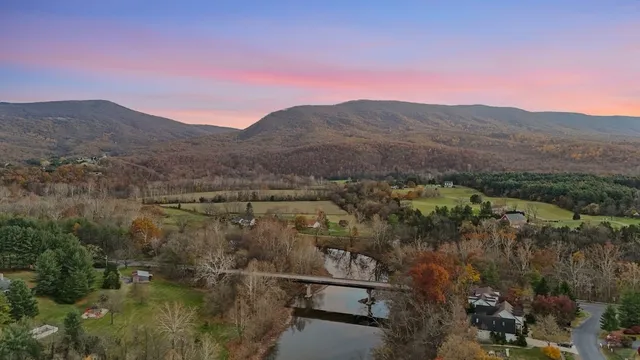
- Loudoun County estates — large lots, horse properties, and rural settings where aerial photography is essential
- Bethesda and Chevy Chase luxury homes — high-end finishes that demand careful lighting to showcase quality
A photographer who shoots mostly suburban colonials may struggle with a Georgetown row house. One who specializes in condos may not know how to capture 5 acres of Loudoun County farmland. Experience with your specific property type matters.
Light Conditions Vary Dramatically
The DMV’s four distinct seasons create lighting challenges that don’t exist in year-round sunny markets:
- Winter (December-February): short days, low sun angle, grey skies. Interior lighting becomes critical. Leafless trees mean less curb appeal but better sight lines
- Spring (March-May): the best exterior season. Cherry blossoms, azaleas, and dogwoods add natural staging. Morning light is soft and warm
- Summer (June-August): harsh midday sun creates deep shadows. DC humidity can cause haze in aerial shots. Schedule shoots for early morning or golden hour
- Fall (September-November): fall foliage is stunning but brief — a two-week window of peak color. Afternoon light through changing leaves creates warm interior tones
The Market Moves Fast
DC-area homes in competitive neighborhoods often receive offers within days. That means your photography turnaround needs to be fast:
- Next-day delivery should be the standard, not a premium add-on
- Same-day rush delivery matters for agents listing in hot neighborhoods like Petworth, H Street, or Falls Church
- Waiting 5-7 days for photos in this market means missed momentum during the critical first-week window
Property-Specific Photography Tips for the DMV
DC Row Houses and Townhomes
Row houses are the signature property type of the District, and they’re among the hardest to photograph well.
The challenge: narrow floor plans (typically 16-20 feet wide), limited natural light in middle rooms, long hallway shots, and front facades that are often in shadow.
What works:
- Wide-angle lenses (16-20mm) to make narrow rooms feel spacious without creating unrealistic distortion
- Supplemental flash lighting for interior rooms that don’t have windows
- Careful composition to avoid showing the neighbor’s wall 3 feet away through side windows
- Front exterior shot timing — most DC row houses face east or west. Schedule the exterior shot when the facade is in direct light
- Rooftop deck shots if the home has one — these are major selling points in DC and deserve multiple angles
- Backyard/patio shots — even small DC backyards photograph well with the right angle
Northern Virginia Suburban Homes
Fairfax County, Loudoun County, and Prince William County have classic suburban layouts where curb appeal and lot size drive buyer interest.
What works:
- Drone photography is almost always worth it — show the lot, the cul-de-sac, proximity to parks and schools
- Front yard framing with landscaping in the foreground creates depth
- Backyard lifestyle shots featuring decks, pools, and outdoor living spaces
- Neighborhood context — aerial shots showing nearby trails, community pools, or town centers
- Garage shots — Virginia buyers care about garage space. Clear it and photograph it
High-Rise Condos (Tysons, Reston, Rosslyn, Bethesda)
High-rises present unique photographic challenges that ground-level photographers may not be accustomed to.
The challenge: floor-to-ceiling windows create extreme dynamic range — the view outside is blindingly bright while the interior is relatively dark. Standard photography either blows out the windows or underexposes the room.
What works:
- HDR bracketing is non-negotiable — multiple exposures blended to capture both the interior and the view
- Twilight shots are spectacular for high-rises with city views. Interior lights glowing against a dusk skyline is one of the most compelling listing images possible
- View-specific shots through windows — buyers are paying for the view, so photograph it as a feature
- Building amenities — lobby, pool, gym, and rooftop spaces should be included if they’re selling points
- Avoid drone for most high-rises — the interior views from the unit itself are more compelling than aerial shots of the building exterior
Luxury Properties (Bethesda, Great Falls, McLean, Potomac)
Luxury homes in the DMV demand a premium photography approach that matches the price point.
What works:
- More photos — luxury buyers expect comprehensive coverage. 50-100+ images for estates over 5,000 sq ft
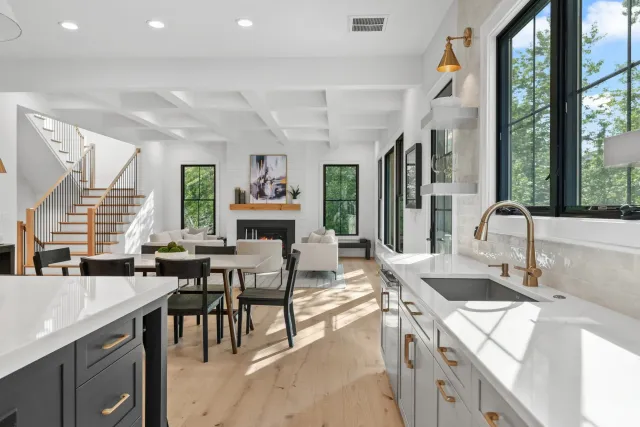
- Detail shots of high-end finishes: marble countertops, custom cabinetry, designer fixtures, wine cellars
- Twilight/dusk photography — dramatically lit exteriors with interior lights glowing. This is the single most impactful upgrade for luxury listings
- Aerial photography showing the full property, landscaping, and surrounding area
- Video walkthroughs — luxury buyers (especially relocating executives and international buyers) rely heavily on video before scheduling in-person tours
Drone Photography Considerations in the DMV
The Washington DC area has some of the most complex airspace in the country. Understanding restrictions saves you from booking aerial services you can’t actually use.
Where Drones Can Fly
- Most of Loudoun County (Ashburn, Leesburg, Purcellville) — generally flyable with standard authorization
- Western Fairfax County (Reston, Herndon, Centreville) — usually flyable with LAANC authorization
- Most of Montgomery County (Rockville, Gaithersburg, Germantown) — generally flyable
- Frederick and Howard County — wide open, no significant restrictions
- Prince William County — mostly flyable outside Marine Corps Base Quantico area
Where Drones Are Restricted
- Washington DC proper — the 15-nautical-mile Flight Restricted Zone covers nearly all of the District
- Arlington — almost entirely within restricted zones (Pentagon, Reagan National)
- Alexandria — most of the city falls within restricted airspace
- Eastern Fairfax County — areas near Tysons, Falls Church, and Annandale have varying restrictions
- Close-in Montgomery County — Bethesda, Silver Spring, and Takoma Park may have restrictions near the DC border
Always confirm flyability with your drone operator before booking. A qualified, FAA-certified drone photographer will research your specific address and tell you whether aerial shots are possible.
Seasonal Photography Strategy for DMV Agents
Spring (March-May): The Prime Season
Spring is the best time for exterior photography in the DMV. Leverage it:
- Schedule exterior-focused shoots for April and May when landscaping peaks
- Cherry blossoms, azaleas, and tulips add natural staging that costs nothing
- Morning shoots (8-10 AM) catch the soft spring light before midday haze
- Pressure-wash decks and patios before the shoot — winter grime shows in photos
- If a property hits the market in early spring before full bloom, consider reshooting exterior photos in late April when landscaping fills in
Summer (June-August): Manage the Heat and Light
DC summers are hot, humid, and harsh on photographs.
- Schedule early morning (7-9 AM) or golden hour (6-8 PM) — avoid 11 AM to 3 PM when shadows are deepest and light is most unflattering
- Run AC before the shoot so the home is comfortable and mirrors and glass don’t fog
- Pools photograph beautifully in summer — make sure the water is clean, clear, and blue
- Humidity can cause haze in drone shots — mornings typically have clearer air than afternoons
Fall (September-November): Capture the Color
Fall foliage in the DMV is a genuine marketing asset.
- Peak color typically hits mid-October to early November — plan exterior shoots accordingly
- Afternoon light through autumn trees creates warm, golden interior tones
- Keep fallen leaves raked — a blanket of leaves on the lawn looks neglected, not scenic
- Schedule shoots before leaves drop completely if curb appeal relies on tree coverage
Winter (December-February): Work With What You Have
Winter photography requires more preparation but can still produce strong results.
- Turn on every interior light — compensation for shorter days and grey skies is essential
- Leafless trees reveal views that are hidden in summer — capitalize on this if the property has sight lines to parks, water, or the skyline
- Fresh snow can be beautiful for exterior shots — but shovel paths and clear the driveway first
- Avoid exterior shoots during overcast, drizzly days that make everything look grey and flat
- Holiday decorations should be minimal in listing photos — a wreath on the door is fine; a yard full of inflatables is not
What to Budget in the DC Market
Real estate photography in the DMV is competitively priced compared to other major metros:
| Service | DMV Price Range | Best Value |
|---|---|---|
| Standard photography (15-30 photos) | $149-$249 | Most listings under 3,000 sq ft |
| Extended photography (30-60+ photos) | $249-$399 | Larger homes, luxury listings |
| Photography + drone | $249-$450 | Properties with notable lots or location |
| Photography + 3D tour | $349-$550 | Vacant homes, relocation buyers |
| Full media package | $500-$1,500 | Luxury listings, new construction |
Bundling services with a single provider saves 15-25% compared to booking separately and means one appointment to coordinate. Compare UMedia’s packages and pricing →
Choosing a Photographer Who Knows the DMV
When evaluating photographers for your DC-area listings:
- Ask for a DMV-specific portfolio — not just “real estate photography” but specifically homes in DC, Virginia, and Maryland. The property types are unique enough that general real estate experience from another market won’t fully translate
- Confirm coverage area — some photographers charge travel fees for locations outside a certain radius. UMedia covers the entire DMV without travel surcharges
- Check turnaround time — next-day delivery should be standard for this market’s pace
- Verify drone certification — especially important in the DMV given complex airspace. Ask for Part 107 certification and confirm they understand local flight restrictions
- Ask about seasonal flexibility — a photographer who proactively suggests optimal timing based on your property’s orientation, landscaping, and the season is one who knows this market
Make Every Listing Stand Out
The DC-area market is competitive for agents as much as it is for buyers. Professional photography isn’t just about making a home look good — it’s about demonstrating to sellers that you invest in marketing their home at the highest level.
When you combine market-specific photography expertise with services like drone aerials, 3D virtual tours, and property videos, you’re presenting sellers with a comprehensive marketing package that most agents in the DMV can’t match.
Ready to elevate your DMV listings? Explore UMedia’s real estate photography packages — local photographers who know DC, Maryland, and Virginia, with next-day delivery starting at $149.